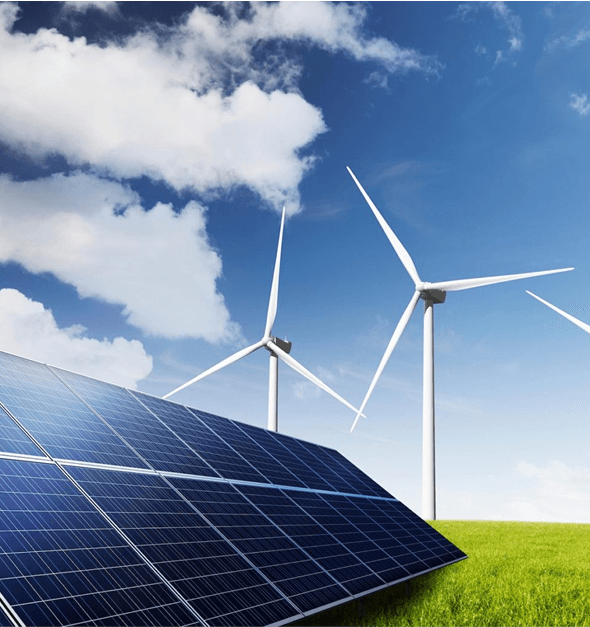
Making the Right Choice for a Brighter Future
With the increasing cost of electricity in Pakistan, many homeowners are turning to solar energy as a sustainable and cost-effective solution. However, the first step can often be the most confusing: which type of solar panel is right for you? The three main types available are monocrystalline, polycrystalline, and thin-film panels. Understanding the differences is key to making an informed decision that aligns with your energy needs and budget.
Monocrystalline vs. Polycrystalline: The Efficiency Debate
Monocrystalline panels are known for their high efficiency and sleek black appearance. [1] They are made from a single crystal structure, which allows electrons to move more freely, resulting in better performance, especially in high-temperature conditions which are common in many parts of Pakistan. [1] Although they come at a higher initial cost, their longevity and efficiency can make them a worthwhile investment. Polycrystalline panels, on the other hand, are made from multiple silicon crystals and have a blue, speckled look. They are less efficient than their monocrystalline counterparts but are also more affordable, making them a popular choice for budget-conscious consumers. [1]
The choice between monocrystalline and polycrystalline panels often comes down to a trade-off between upfront cost and long-term efficiency.
Thin-Film Panels: A Flexible Alternative
Thin-film panels are a newer technology and are made by depositing one or more thin layers of photovoltaic material onto a substrate. While they are generally less efficient than crystalline panels, they are lightweight, flexible, and perform well in low-light conditions. Their lower efficiency means they require more roof space to generate the same amount of power, which is an important consideration for urban homes in cities like Karachi, Lahore, and Islamabad.